Why Reading Streaks Work: The Science of Daily Reading
Streaks aren't just a gimmick. Here's the psychology behind why tracking consecutive reading days keeps you consistent (and how to build one that lasts.)
 Lucas Bewersdorff
Related reading
Why Do I Read? My 6 Reasons for Reading Books
Why do I read? To learn things. Under that answer: one idea to apply, my work, talks with my partner, the people who hand me books, and a sustainable habit.
Why Scary Books Beat Scary Movies
Scary books are often scarier than movies because a book never has to show you the monster. Why it works, two book-vs-film proofs, and where films still win.
How to Build a Reading Habit With Friends
Build a reading habit with friends using one of four mechanics: a buddy read, parallel streaks, a weekly check-in, or a shared TBR. Also: which apps help.
The Day I Realized Streaks Actually Work
For 1,694 days straight, I opened Duolingo. I was mostly learning French, plus whatever language I needed for the next country I was visiting. Plenty of those days I didn't feel like it – too busy, too tired, not in the mood. But I couldn't bear to watch that number reset to zero. The growing streak itself became a reason to show up, even on the days where the actual learning felt like an afterthought.
Over time, something shifted. It stopped being a daily negotiation with myself. I incorporated it into my morning routine or knocked it out on my commute, and the struggle faded. Some days it still felt annoying, like doing "the right thing" even when I didn't want to. But most days, I just did it without thinking. The streak didn't just track my consistency, it also created it.
That's when I started thinking about what this meant for reading. When I switched to reading exclusively on my iPad Mini, it already tracked daily reading goals. The same effect kicked in: days where I read a bit longer just to complete the goal, the number motivating me alongside the book itself. The streak wasn't replacing the joy of reading. It was protecting it on the days I didn't feel motivated. That realization is what eventually led me to build streak tracking into ReadingHabit.
Why Streaks Are Psychologically Powerful
There's a well-studied reason why streaks feel so compelling. Psychologists Daniel Kahneman and Amos Tversky found that we feel losses roughly twice as strongly as equivalent gains. A 30-day reading streak doesn't just represent 30 days of progress. It represents something you'd LOSE by skipping today. Missing one day doesn't just mean zero pages – it means watching that number reset to zero. I felt this viscerally during my Duolingo streak: the thought of losing over a thousand days of progress was far more motivating than the thought of adding one more.
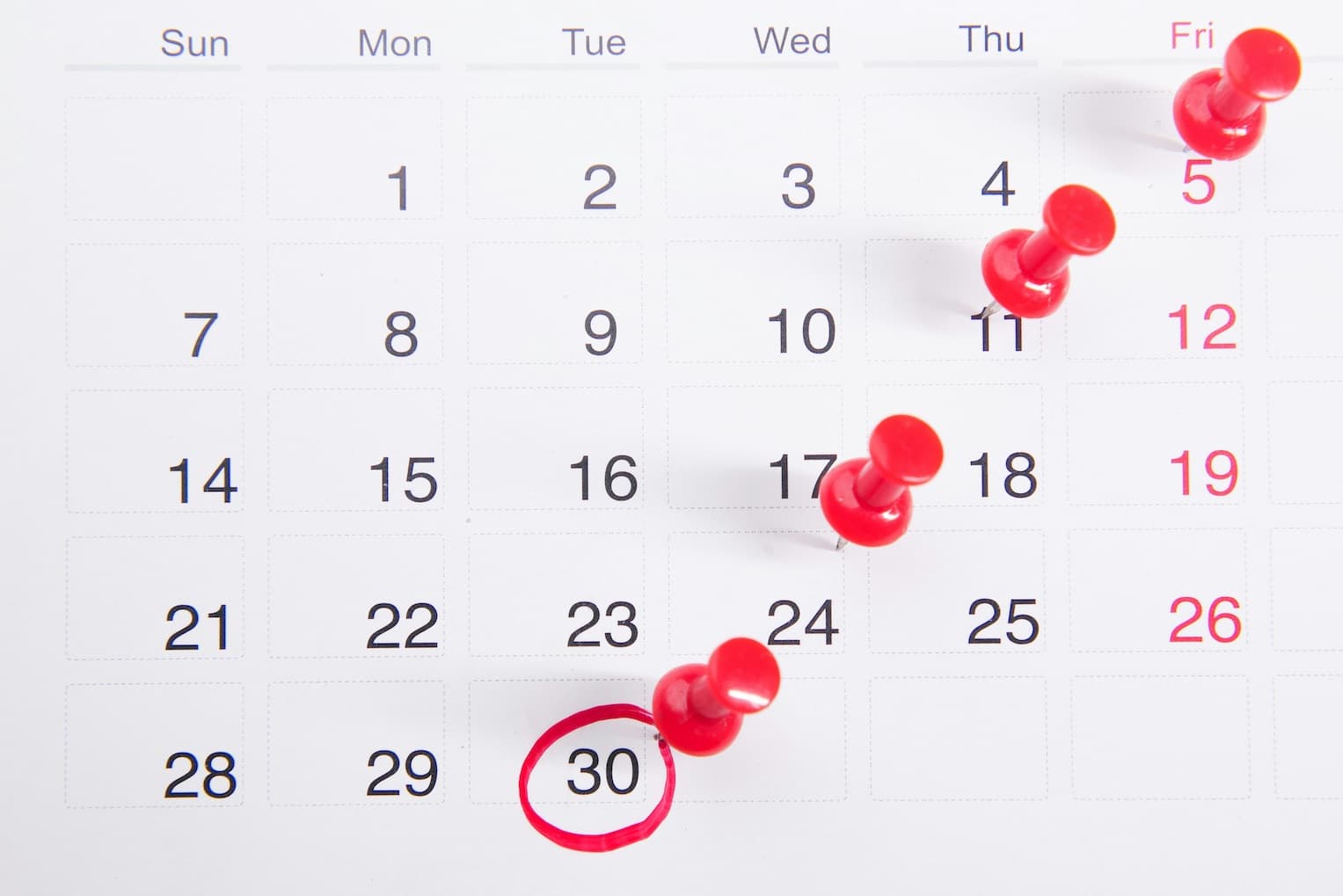
This connects to what researchers call commitment devices. When you pre-commit to a behavior, you significantly increase your chances of following through. A streak is a self-imposed commitment device: by starting one, you've made a promise to your future self. The longer it runs, the higher the cost of breaking it. Jerry Seinfeld famously used this for his writing practice – put an X on the calendar every day you write, and your only job is to not break the chain. Simple, visual, effective.
In my article on building a reading habit, I covered the habit loop: cue, routine, reward. The streak fits perfectly as the reward component. Reading a book has delayed gratification (you don't finish it for weeks). But the streak gives you immediate, visible feedback every single day. The growing number IS the reward. Every day you read, the number goes up. Every day it goes up, tomorrow feels a little harder to skip.
What Duolingo Knows That Most Reading Apps Don't
As of 2024, nearly 8 million learners on Duolingo have a streak of 365 days or more. That's not an accident. The streak is the single most powerful retention mechanic in the app. It transforms "I should practice Spanish" into "I can't break my 200-day streak." I felt this firsthand across 1,694 days. The streak became the reason I showed up, even when learning French wasn't particularly on my mind that day.
What makes Duolingo's streak work is that it's meaningfully gamified. Researcher Sebastian Deterding draws a key distinction: shallow gamification hands out points for everything, like participation trophies. Meaningful gamification aligns game mechanics with the user's actual goals. A reading streak works because the metric – consecutive reading days – directly measures what you care about: reading consistently. It's not a fake reward. It IS the thing.
Psychologists Edward Deci and Richard Ryan's Self-Determination Theory explains why this matters. We have three core psychological needs: autonomy (you choose to read, the streak tracks your choice rather than forcing it), competence (watching your number grow proves you're capable of consistency), and relatedness (knowing others are building their streaks too creates connection). When a streak satisfies all three, it stops feeling like external pressure and starts feeling like identity. "I'm someone who reads every day" – that's the shift from a task on your list to a part of who you are.
Set a reading goal your streak can build toward
Use my free Reading Goal Planner to calculate a realistic yearly target based on your speed and schedule. Then let your streak carry you there.
Plan your reading goalHow to Build a Reading Streak That Actually Lasts
- Define what "counts" as a reading day. Research on goal-setting theory shows that specific, measurable goals paired with regular feedback produce better results. But for streaks specifically, I think any reading activity should count. The point is keeping the habit alive. "Read for at least 5 minutes" is better than "read for an hour," because the hour-long goal will break your streak on your worst day. Your daily reading goal and visible progress naturally push you to read more anyway – the streak definition doesn't need to do that heavy lifting.
- Start embarrassingly small. I wrote about this in my article on building a reading habit: BJ Fogg's "tiny habits" approach means making the commitment so small you can't say no. A streak that starts at "read 2 pages" will survive your worst days. A streak that starts at "read 30 minutes" will break within a week.
- Pair it with something you already do. I read in bed every morning and every night – the bed is my cue, and my iPad Mini is always on the nightstand. The streak reinforces this pairing. The cue gets you to open the book, but the streak makes you not want to skip. I noticed the same thing with my Duolingo streak: once I attached it to my morning routine or commute, the daily struggle of convincing myself to open the app faded almost entirely.
- Handle missed days without spiraling. This is where most streaks die – not from one missed day, but from the "I already broke it so why bother" effect. If you miss a day, pick up the next day. Don't wait until "next Monday." Give yourself a grace day mindset – Duolingo has streak freezes for exactly this reason, and I've used them myself on days where life genuinely got in the way. The goal isn't a perfect record. It's building a pattern where reading is the default, not the exception.
When Streaks Become Stressful (And What to Do About It)
Streaks can also become a source of anxiety. Reading for two minutes just to "keep the streak alive" while hating every second defeats the purpose. I experienced this with Duolingo on some days – it felt less like learning and more like doing "the right thing" even when I didn't want to. If the streak stops serving you and starts controlling you, something's off.
Deci and Ryan's research actually warns about this: when external motivators undermine your sense of autonomy, motivation can actually decrease. The streak should feel like "I choose to read every day," not "I have to read or I lose my number." The moment it flips from the first to the second, it's worth stepping back and asking whether the streak is still serving your actual goal.
Give yourself permission to let a streak end and start a new one. My Duolingo streak ended naturally at 1,694 days when my focus shifted away from language learning. I didn't mourn it – my priorities changed, and that was fine. A healthy relationship with streaks means they're a tool, not a tyrant. The reading matters more than the number.
Your Streak Starts Today
Streaks work because of loss aversion, commitment, and identity reinforcement. They're most powerful when the bar is low enough to maintain every day and specific enough to measure. You don't need a complicated system. You need a book, a daily cue, and a way to see your progress.
I built streak tracking into ReadingHabit because this is what kept me consistent. Every day you read, the number goes up. Every day it goes up, you're a little less likely to skip tomorrow. It's a simple loop, but it works.
If you don't know your reading speed yet, take the free Reading Speed Test – it'll help you set a daily target that actually matches your pace. Then use the Reading Goal Planner to turn that pace into a realistic yearly goal.
Let your streak keep you going
ReadingHabit tracks your daily reading streak, nudges you when you're about to lose momentum, and celebrates every milestone. Join the waitlist for early access.