Why Do I Read? My 6 Reasons for Reading Books
Why do I read? To learn things. Under that answer: one idea to apply, my work, talks with my partner, the people who hand me books, and a sustainable habit.
 Lucas BewersdorffOctober 26
Authors
Founder of ReadingHabit
I love reading, though I didn't always. I started reading a lot when I first learned how, but school kind of robbed me of my enthusiasm for books. I built ReadingHabit as a supporting tool and accountability system to help me rebuild a sustainable daily reading habit. Now it's helping me and other readers stick to our reading goals and actually finish books. Reach out to me on X/Twitter if you'd like to chat about books or get some tips on staying consistent :)
Why do I read? To learn things. Under that answer: one idea to apply, my work, talks with my partner, the people who hand me books, and a sustainable habit.
Lucas BewersdorffOctober 26Scary books are often scarier than movies because a book never has to show you the monster. Why it works, two book-vs-film proofs, and where films still win.
Lucas BewersdorffOctober 23Build a reading habit with friends using one of four mechanics: a buddy read, parallel streaks, a weekly check-in, or a shared TBR. Also: which apps help.
Lucas BewersdorffOctober 21The four books I'd read again for the first time, what each first read gave me, why no reread has let me down, and how to protect your next first read.
Lucas BewersdorffOctober 19Dracula is about 161,000 words, so it takes about 11 hours at an average reading pace and 18 at a slow one. Times by speed, by chapter, and in real time.
Lucas BewersdorffOctober 16Annotate nonfiction by marking its argument instead of its best sentences: a mark legend for claims, evidence, and turns. Also: an outline and an index.
Lucas BewersdorffOctober 14Eight gothic classics in reading order, easiest first, with word counts, reading times at two paces, and notes for which you can download for free.
Lucas BewersdorffOctober 12Divide what you read by the time it took. Four reading rate formulas – pages per minute, books per month, pages a day, hours per book – with worked tables.
Lucas BewersdorffOctober 9Eight books that run on dread instead of gore, with notes on each about violence, animal harm, body horror, and cruelty, so nothing ambushes you.
Lucas BewersdorffOctober 7What I read in September 2026, which book was a hit and which one I should have quit, plus the streak, hours, pages, and sessions behind the whole month.
Lucas BewersdorffOctober 5Does reading faster hurt comprehension? What the research says about the trade-off and where it starts to cost you. Extra: a one-minute check for your own reading.
Lucas BewersdorffOctober 2A 31-day October reading challenge with a prompt for every day, no scary books needed. Starting October 1st.
Lucas BewersdorffSeptember 308 best fall 2026 books to read, from BookTok favorites to this year's top hits, who each is for and estimated reading time.
Lucas BewersdorffSeptember 28A Barnes & Noble stocks about 66,000 titles. At half an hour a day, reading them all takes about 1,900 years. The math, and the number that matters more.
Lucas BewersdorffSeptember 25I read every morning for 30 days and logged almost every session. The real numbers, the mornings my log missed, what changed, what didn't, and whether it stuck.
Lucas BewersdorffSeptember 23Pages left divided by days left is your daily target. How to make a reading schedule that survives a normal week, with buffer days and a catch-up plan.
Lucas BewersdorffSeptember 21Humans evolved to speak, not to read. Reading is a skill your brain builds from borrowed parts – which is why practice changes it, even in adults.
Lucas BewersdorffSeptember 18There's no correct number of books to read in a year. Here's what most people read, why a borrowed goal fails, and how to build one from your own day.
Lucas BewersdorffSeptember 16Where the 238 words-per-minute figure comes from: Brysbaert's 2019 meta-analysis, what it pooled, what it left out, and why speed-reading claims fail.
Lucas BewersdorffSeptember 14Most adults read 40 to 50 pages an hour. Here is the pages-per-hour math, a table by speed band, how book density changes it, and your own real number.
Lucas BewersdorffSeptember 11Is one page a minute fast? Five bands for what counts as a good reading speed, what is normal, and why the number you already have is almost certainly fine.
Lucas BewersdorffSeptember 9The average adult reads about 238 words per minute. Here is what that means in pages per hour, why the number varies, and how your own speed compares.
Lucas BewersdorffSeptember 7What I read in August 2026, how long each book took me, which ones were hits or misses, and the streak, hours, pages, and sessions behind the whole month.
Lucas BewersdorffSeptember 4Nonfiction doesn't have to feel like studying. How to read more of it, actually enjoy it, and remember what you learn.
Lucas BewersdorffSeptember 2Five checks to run on any reading tracker before you commit your reading life to it – and two features that should make you close the tab.
Lucas BewersdorffAugust 31Counting books finished hides your real reading. Tracking time and sessions is a better signal – here's why it changes everything.
Lucas BewersdorffAugust 28A home library isn't about how many books you own – it's about owning the right ones. How to curate shelves you'll actually read from.
Lucas BewersdorffAugust 26Dense classics and heavy nonfiction need a method. The three moves that get you through (and enjoy) a hard book.
Lucas BewersdorffAugust 24Here's how to schedule a long read instead of waiting for one to just happen – whether a plane forces it or a good book steals the time near the end.
Lucas BewersdorffAugust 21TBR = To Be Read. Here's what it means, why yours keeps growing, and simple steps to actually get through the pile.
Lucas BewersdorffAugust 19Bored of just counting books? 9 reading challenges – bingo, genre roulette, read-your-shelf, around-the-world – to make 2026 more fun.
Lucas BewersdorffAugust 17My actual summer 2026 stack – eleven books I'm picking from by mood, what's already read, and the math on how few of them I'll finish.
Lucas BewersdorffAugust 14A 30-second ritual before you start any book: why you're reading it, what you want from it, and how you'll know it landed.
Lucas BewersdorffAugust 12About 1 hour 45 minutes at average reading speed – but your real number depends on your pace and the book. Breakdown for 50, 100, 200, and 300 pages.
Lucas BewersdorffAugust 10Never been a reader? Here's how to start. Pick the right first book, build a tiny habit, and make it stick without forcing it.
Lucas BewersdorffAugust 7What I read in July 2026, how long each book took me, and the dashboard stats behind the month.
Lucas BewersdorffAugust 5Starting a book club is easy; keeping one going is the hard part. Here's how to start a book club, pick the first book, and keep people coming back.
Lucas BewersdorffAugust 3Goodreads, StoryGraph, Fable, and ReadingHabit – compared. Here's how the best reading tracker apps of 2026 stack up, and how to pick the right one for you.
Lucas BewersdorffJuly 31A readathon is a dedicated day or weekend set aside for reading. Here’s how to plan one, solo or with friends, and actually finish books.
Lucas BewersdorffJuly 29The average American reads 12 books a year – but the median is far lower. Here's what "normal" really looks like, and why the average is the wrong benchmark.
Lucas BewersdorffJuly 27Some readers swear by a soundtrack, others need silence. Here's what the research says about music and reading.
Lucas BewersdorffJuly 24Annotating books helps you remember more of what you read. Here's how to mark up a book – tabs, pens, and highlights – without feeling like you're wrecking it.
Lucas BewersdorffJuly 22A reading streak is the number of days in a row you've read – and it's one of the simplest ways to read more. Here's how to start one and protect it.
Lucas BewersdorffJuly 20Swapping your phone for a book at night does more than help you sleep. Here's what reading before bed actually does for your stress, brain, and body.
Lucas BewersdorffJuly 17Turn your iPhone or iPad into a distraction-free reading device with a custom Focus mode. A step-by-step setup that silences everything but the page.
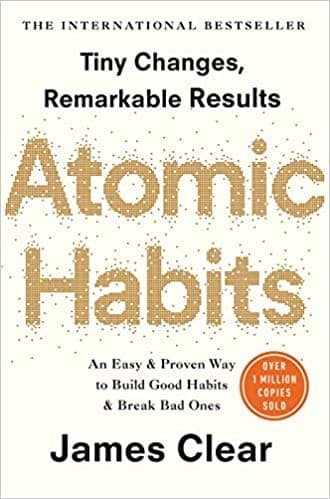
Lucas BewersdorffJuly 15The books that actually changed how I build habits – from Atomic Habits to Tiny Habits. Six reads to make good behavior stick (and bad ones easier to drop).
Lucas BewersdorffJuly 13A blind date with a book means picking one with no cover, title, or author to judge. Here's how it works and where to find one.
Lucas BewersdorffJuly 10DNF means "did not finish", and learning to do it well is a reading superpower. Here's how to quit a book without the guilt (and what to do next).
Lucas BewersdorffJuly 8"I don't have time to read" is almost never about time. Here's the system busy readers use to read more (without finding an extra hour).
Lucas BewersdorffJuly 6What I read in June 2026, how long each book took me, what landed and what didn't – plus the dashboard stats behind the month.
Lucas BewersdorffJuly 3Does five minutes count? Audiobooks? Skimming? Here's what actually counts as a reading session – and the simplest way to track every one.
Lucas BewersdorffJuly 1"What should I read next?" is the wrong question. "What should I read next, given what just landed?" is the right one. A framework with three examples.
Lucas BewersdorffJune 29How parents who read more than I do actually fit it in – not productivity hacks, but real prioritization and small systems that survive young kids.
Lucas BewersdorffJune 2630-minute commute, twice a day, five days a week – that's 250 hours a year. Here's the audio + ebook playbook that turns the commute into 20+ books.
Lucas BewersdorffJune 24Five books in flight, none of them finished. Here's how to fix the starter-but-not-finisher problem, without forcing yourself through books you've already lost.
Lucas BewersdorffJune 22Reading on a phone, an ereader, or a physical book – each has real trade-offs. Here's the honest comparison from someone who's tried all three.
Lucas BewersdorffJune 19The honest playbook for reading 30+ books a year while working full time – without skipping sleep, weekends, or the gym.
Lucas BewersdorffJune 17Social media bans for under-16s are sweeping the world. The vacuum is real. Here's how to get a teenager reading without making it feel like a punishment.
Lucas BewersdorffJune 15A bookmark-worthy list of 50 prompts for your reading journal – per-session, per-chapter, post-finish, monthly. Use what you need, ignore the rest.
Lucas BewersdorffJune 12A reading journal sounds like extra homework. It's actually the move that makes reading worth the time. Here's why (and four ways to start small).
Lucas BewersdorffJune 10Speed reading courses don't deliver. The actual way to read more is to read more often. Here's the system that works.
Lucas BewersdorffJune 8Most adults read at 200–250 WPM. If you're slower, you're not broken. Here's why slow reading is often the better reading.
Lucas BewersdorffJune 5What I read in May 2026, how long each book took me, what landed and what didn't – plus the dashboard stats behind the month.
Lucas BewersdorffJune 3Some books reveal something new every time. Here are 7 books readers come back to again and again – and what makes them re-readable.
Lucas BewersdorffJune 1Stuck? These 6 short books are designed to break a reading slump. All finishable in a weekend, all genuinely worth your time.
Lucas BewersdorffMay 30Summer is the best window for a focused self-improvement run. Here are 6 books worth your time, the over-hyped ones to skip, and how to actually apply them.
Lucas BewersdorffMay 29Halfway through 2026 and behind your reading goal? Don't write off the year. Here's how to run a mid-year reset and set a realistic goal.
Lucas BewersdorffMay 28Vision boards aren't just for career goals. Here's how to make a reading vision board that actually changes which books you finish this year.
Lucas BewersdorffMay 27Most books inform you. A rare few rewire you. Here's the one that did it for me and how to spot the ones that'll do it for you.
Lucas BewersdorffMay 26"Brain rot" was the 2024 word of the year. Here's what short-form scrolling is doing to your brain and why books are the most effective fix.
Lucas BewersdorffMay 25Reading in a foreign language is slower, harder, and one of the most rewarding ways to read. Here's why it's worth the friction.
Lucas BewersdorffMay 23Better books, lower prices, a smaller footprint, and the best part – the surprises. A practical guide to buying second-hand books online and offline.
Lucas BewersdorffMay 22Color-coded? By genre? Spine-out or face-out? Here's how to display books at home so the shelves look intentional – and you actually use them.
Lucas BewersdorffMay 21If reading feels like homework, you're doing it wrong. Here's how to gamify, lighten, and actually enjoy your reading habit again.
Lucas BewersdorffMay 20Why a book feels effortless one night and impossible the next. A simple framework for matching books to your mood – and your brain's capacity.
Lucas BewersdorffMay 19Reading 3 books in parallel sounds chaotic. Most committed readers do exactly that. Here's when it works, when it doesn't, and how to set it up.
Lucas BewersdorffMay 18You can finish a book and remember nothing two weeks later. Here's the research-backed system for retaining and applying what you read.
Lucas BewersdorffMay 16Yes, and it's better than it might sound. Ten pages a day is roughly 3,650 pages a year, or around 15 books. Here is the math and how to keep it up.
Lucas BewersdorffMay 15
The analog trend is everywhere in 2026. Here's why books are the original screen-free activity and how to build reading into your analog lifestyle.
Lucas BewersdorffMay 14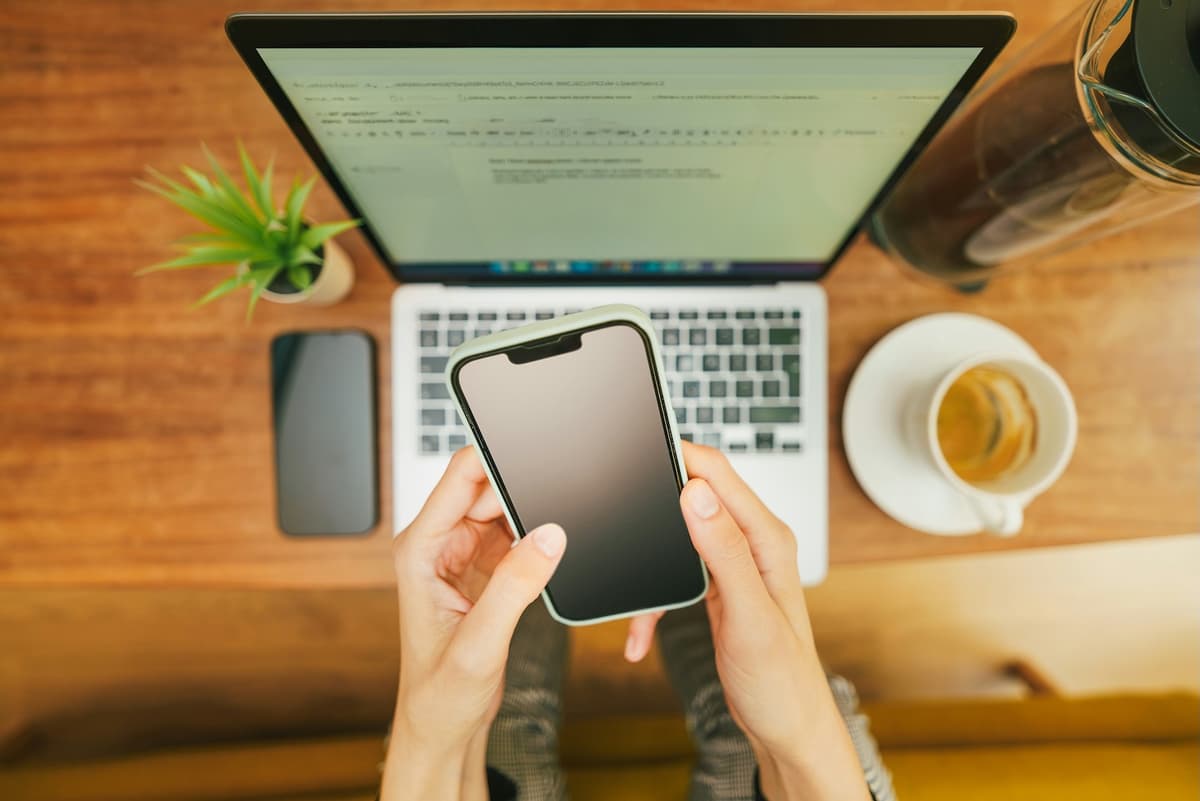
Short-form content broke your focus. Reading is how you rebuild it. Here's why books are the best training tool for sustained attention.
Lucas BewersdorffMay 13
Lighting, chair, font size, Do Not Disturb. Your reading environment determines whether you'll read for 5 minutes or 50. Here's the full setup guide.
Lucas BewersdorffMay 12
6 minutes of reading reduces stress by 68%. Here's what research shows about reading and mental health, from anxiety relief to emotional regulation.
Lucas BewersdorffMay 11
Stuck in a reading slump? Here's what causes them, 7 research-backed strategies to break free, and how to prevent the next one.
Lucas BewersdorffMay 9
Your willpower is highest before the day drains it. Here's why morning reading beats evening reading for consistency, and how to make it a daily ritual.
Lucas BewersdorffMay 8
WPM measures words per minute. PPM measures pages per minute. Here's what each metric means, how to convert between them, and which one to use.
Lucas BewersdorffMay 7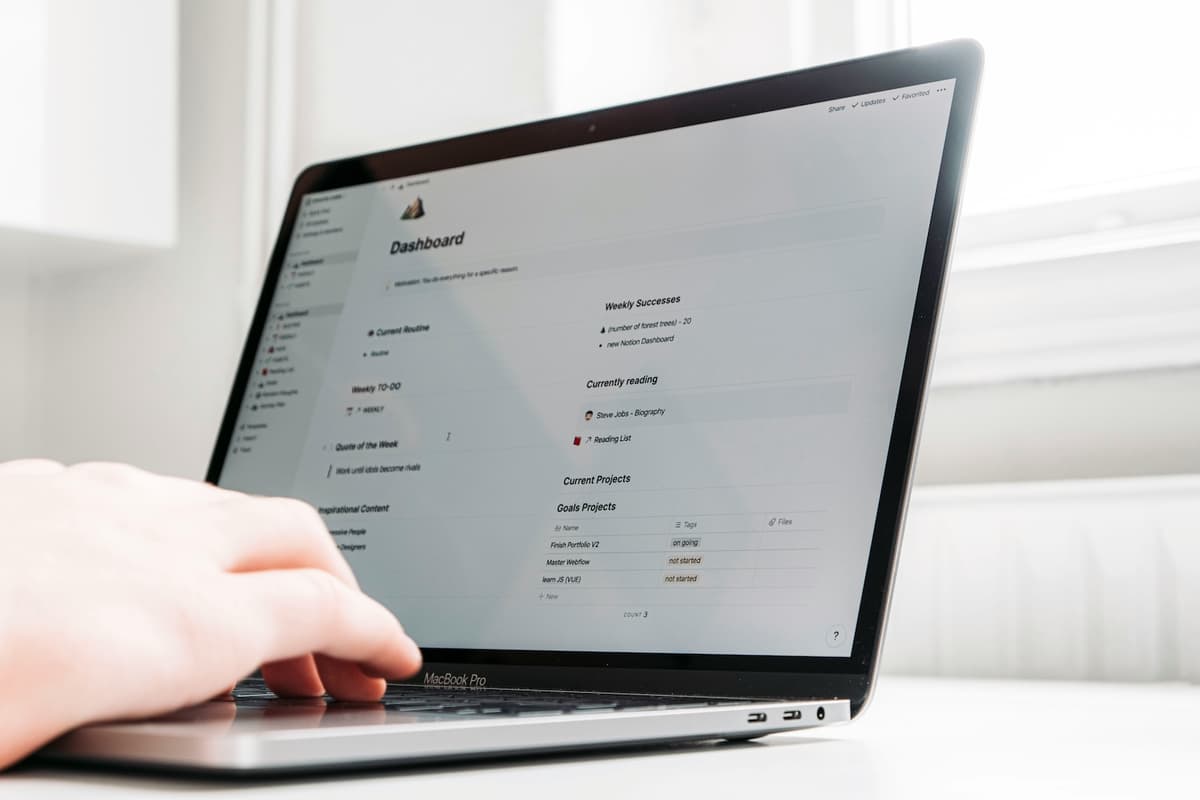
What gets measured gets read. Here's why tracking your reading sessions, speed, and streaks transforms vague intentions into real progress.
Lucas BewersdorffMay 6
Your TBR list has 200 books and you don't know where to start. Here's a framework for choosing your next book without the decision paralysis.
Lucas BewersdorffMay 5
Rereading isn't wasted time, but where the real learning happens. Here's why going back to books you've already read makes you a better reader.
Lucas BewersdorffMay 4
A 300-page book takes about 5.5 hours at average speed. But your number depends on 3 things. Here's the math plus a free calculator.
Lucas BewersdorffMay 2
Ever wondered how much time you've actually spent reading? Add up your books and the number might surprise you. Free tool to calculate yours.
Lucas BewersdorffMay 1
You don't owe every book a finish. Here's a practical framework for when to push through, when to put it down, and why quitting helps you read more.
Lucas BewersdorffApril 30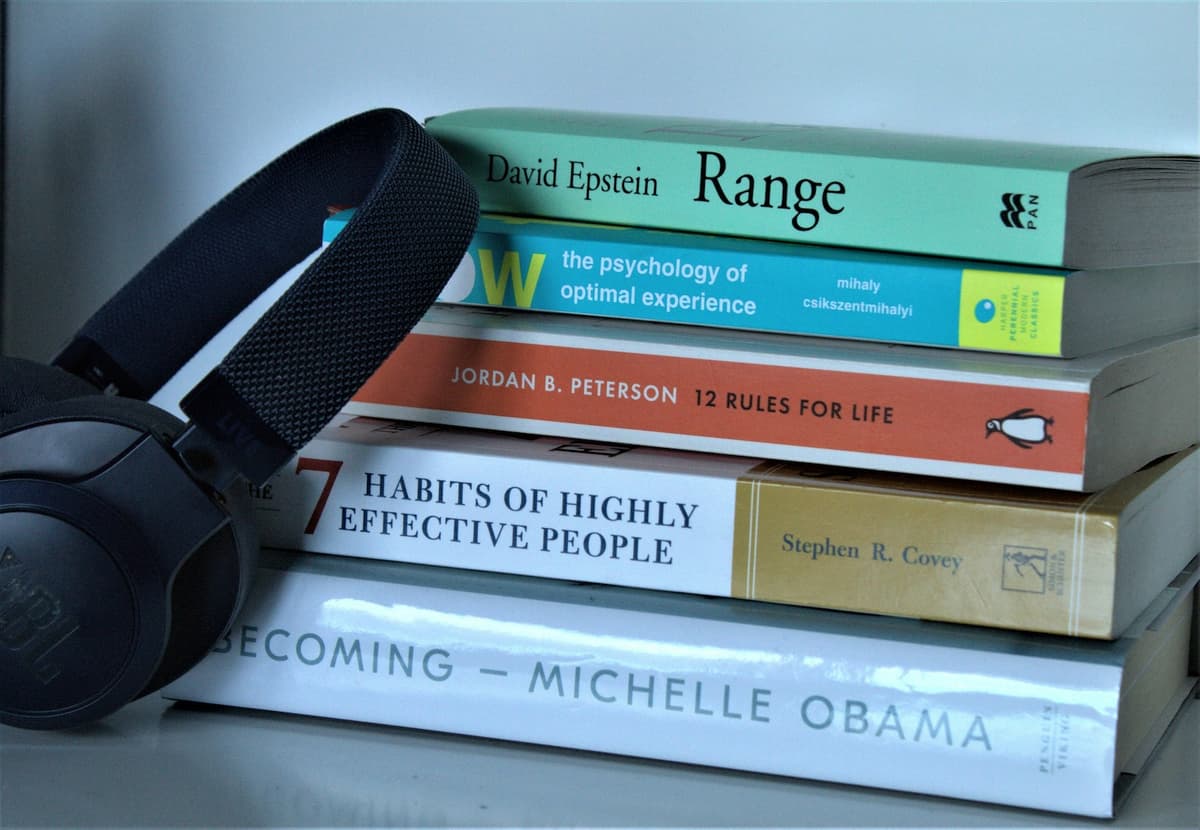
Do audiobooks count as reading? Here's what the research says about comprehension, retention, and why combining both formats might be the best approach.
Lucas BewersdorffApril 29
Blue light, wind-down routines, and the science behind why a book before bed beats your phone. Plus how to pick the right book for nighttime reading.
Lucas BewersdorffApril 28
A growing to-be-read list should inspire you, not stress you out. Here's a practical system to curate, prioritize, and actually enjoy your reading list.
Lucas BewersdorffApril 27
It's not a willpower problem. Here's what the research says about why reading feels harder than it used to, and 5 practical ways to reclaim your focus.
Lucas BewersdorffApril 25
Streaks aren't just a gimmick. Here's the psychology behind why tracking consecutive reading days keeps you consistent (and how to build one that lasts.)
Lucas BewersdorffApril 24
It depends on 3 things: your reading speed, available time, and book length. Here's the math plus a free tool to calculate your number.
Lucas BewersdorffApril 23
The average adult reads 238 words per minute, but speed varies wildly. Find out where you stand and what it means for your reading goals.
Lucas BewersdorffApril 22
Most reading goals fail by February. Here's a practical system to read consistently (backed by science and tested by real readers.)
Lucas BewersdorffApril 21Save books as you browse, they'll be waiting for you right here.