Why Rereading Books Is Underrated
Rereading isn't wasted time, but where the real learning happens. Here's why going back to books you've already read makes you a better reader.
 Lucas Bewersdorff
Related reading
I Read Every Morning for 30 Days
I read every morning for 30 days and logged almost every session. The real numbers, the mornings my log missed, what changed, what didn't, and whether it stuck.
Reading Isn't Natural. That's the Point.
Humans evolved to speak, not to read. Reading is a skill your brain builds from borrowed parts – which is why practice changes it, even in adults.
How Many Books Should You Read in a Year?
There's no correct number of books to read in a year. Here's what most people read, why a borrowed goal fails, and how to build one from your own day.
The Books I've Read More Than Once
I first listened to "The Psychology of Money" by Morgan Housel as an audiobook. The way he described and wrote about money, wealth, and human behavior opened a completely new world to me. I liked it so much that I bought the ebook just so I could go back and truly absorb everything. Then there were "$100M Offers" and "$100M Leads" by Alex Hormozi – I reread both of those twice. They're dense books, the kind where you miss important details on the first read. It's a bit like watching a movie like Inception: you catch things the second time around that completely change your understanding.
I've also read all 11 books in Alex West's "Not Business Advice" series, and reread the first 8. There was a gap between finishing book 8 and book 9 being released, so I used that time to refresh every lesson from the series. With most books ranging between 20 and 60-some pages, that was actually doable. The way he mixes business learnings with personal stories makes them easy but valuable reads. Then there's "Hooked" by Nir Eyal – compact but packed with product design frameworks that I needed to internalize, not just read once. And "Excellent Advice for Living" by Kevin Kelly, which hits different every time I reread it. As you get older, the advice in there just seems to get more accurate.
Each of those rereads had a different reason behind it – and that's the point. Rereading isn't one thing. It serves different purposes depending on the book and where you are as a reader.
The Psychology of Money
by Morgan Housel
19 short stories exploring the strange ways people think about money and how to make better sense of one of life's most important matters.
Est. read: 4h 29 min
Get your reading estimateWhy We're Taught That Rereading Is a Waste of Time
We're surrounded by "new." New releases, trending lists, "must-read" recommendations. Goodreads yearly challenges, BookTok hauls, and "I read 100 books this year" posts all reward volume over depth. The implicit message is: more books equals better reader. In that world, rereading feels like it doesn't "count." Going back to a book you already finished? That's a slot that could have gone to something new.
But this is a reading culture problem, not a reading problem. Psychologist Hermann Ebbinghaus discovered what's now called the forgetting curve: we forget roughly 70% of what we learn within 24 hours, and retention keeps dropping from there. A single read of a complex nonfiction book barely scratches the surface of what's actually in it. You might walk away with a general feeling about the book, or remember one or two key ideas, but the details, the frameworks, and the nuance? Most of that is gone within days. Rereading isn't redundant, but where deep understanding actually begins.
4 Reasons to Reread a Book
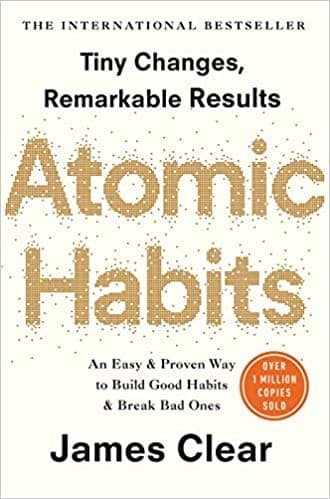
- To make ideas stick. Some nonfiction books are too dense to absorb in one pass. When I reread Hormozi's books and "Hooked" by Nir Eyal, I kept finding concepts I'd completely missed the first time. It's like rewatching a layered movie – you notice things on the second viewing that change your understanding of the whole thing. Rereading is essentially spaced repetition in practice (one of the most effective learning techniques there is).
- To experience it fresh. You're not the same person you were the first time you read it. Kevin Kelly's "Excellent Advice for Living" hits differently every time I pick it up. As you get older, the advice in there just seems to get more accurate. The book hasn't changed – you have. That's what makes rereading feel like reading something new.
- To restart what you abandoned. Some books deserve a second chance. I paused Unreasonable Hospitality early on because it didn't fit my mood at the time. When I came back to it later, something clicked – I read it every day until I finished. The book wasn't the problem. The timing was.
- For comfort and enjoyment. Not every read needs to be "productive." I've gone back to "The Alchemist" simply because the story means something to me – it was the book that got me reading again. Sometimes revisiting a book you love is the most enjoyable reading you can do.
See your complete reading history
Track the books you've read – including the ones you've read twice. ShelfCheck shows your total pages, reading time, and the full picture of your reading life.
Check your reading statsShould Rereads Count Toward Your Reading Goal?
Absolutely. A reread is still reading. You're still spending the time, turning the pages, and engaging with ideas (often more deeply than the first time). If you reread a 300-page book, that's 300 pages read. Same effort, same investment, same result as picking up something new. I count every reread toward my yearly goal, no asterisk needed.
Some people keep separate counts for new books versus rereads, and that's fine if it works for you. But don't let "I should be reading something new" stop you from rereading something valuable. If your yearly goal is 18 books and 3 of those are rereads, that's a great reading year. A realistic goal should reflect how you actually read, including the books you go back to.
How to Decide What to Reread
Not every book deserves a reread. Here's the filter I use:
- Did it change how you think or act? Reread it.
- Do you keep referencing it in conversations or your work? Reread it.
- Has enough time passed that you'd experience it differently? Reread it.
- Did you not finish it the first time but feel drawn back? Give it another shot.
I don't plan my rereads in advance, the urge just hits when it hits. But I do keep my reading list balanced with new books and rereads. ReadingHabit tracks rereads as separate entries, so you can see your progress on each read independently. Your first read and your second read are two different experiences – they deserve their own tracking.
Track every read, also the second time around
ReadingHabit lets you reread books with separate progress tracking. See your full reading history. Join the waitlist for early access.