How to Read More When You Have No Time
"I don't have time to read" is almost never about time. Here's the system busy readers use to read more (without finding an extra hour).
 Lucas Bewersdorff
Related reading
Reading Speed vs Comprehension
Does reading faster hurt comprehension? What the research says about the trade-off and where it starts to cost you. Extra: a one-minute check for your own reading.
Spooky Season Reading Challenge: 31 October Prompts
A 31-day October reading challenge with a prompt for every day, no scary books needed. Starting October 1st.
8 Books to Read This Fall (2026)
8 best fall 2026 books to read, from BookTok favorites to this year's top hits, who each is for and estimated reading time.
"I Don't Have Time to Read" Is Almost Never True
I'm a slow reader. I've measured it, so this isn't false modesty. I get through about 167 words a minute (or 0.67 pages per minute), which is under the adult average, and for a long stretch of my life I barely read at all. Not because I didn't want to. I had a full life, a to-read list that kept growing, and the same honest-sounding line everyone has: I don't have time to read. Then I'd spend the evening scrolling. The phrase felt completely true, but it was false the entire time.
Here's what gave it away. These days I read more than 20 books a year, on the same full schedule, while still reading slower than most people I know. Nothing about my week got emptier. What changed is that I stopped waiting for a spare hour. The book that restarted the whole thing was short enough to fit into the cracks of a normal day, and everything after it was built around small windows instead of big blocks. That's my system, feel free to adapt it to your unique circumstances: shrink the reading session, bolt it onto something you already do, and – because "no time" is usually one specific pinch point hiding behind a general excuse – find your situation (a commute, a 9-to-5, kids at home) below.
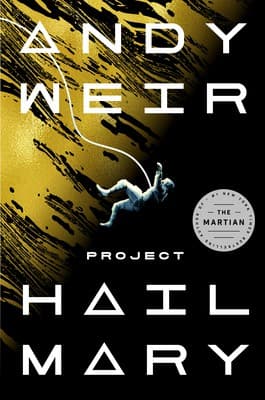
The Alchemist
by Paulo Coelho
The short fable that restarted my reading after years of barely opening a book – a shepherd chasing a recurring dream. Two hundred pages you can finish in a handful of small sittings, which is exactly why it worked on me.
Est. read: 3h 38 min
Get your reading estimateYou Don't Need More Time – You Need Smaller Sessions
The myth to get rid of first is that reading requires a long, quiet block. It doesn't, and waiting for one is precisely how people never read. The "I'll read when things calm down" plan fails because things don't calm down. That free evening you're saving reading for simply never arrives. A reading session can be as small as you decide to make it, and making it small on purpose is the whole trick. This is the idea I ended up writing my thesis around (BJ Fogg's version is "start tiny, not motivated") – you don't set a big target and hope to hit it, you make the thing small enough that a bad day can't stop it. My own sessions swing wildly: some nights it's a page or two before my eyes give out, some mornings it's a real 50-minute stretch. I don't have a number I have to hit. The window decides.
And the math is that small-and-often beats long-and-rare (and it beats reading faster, too). I'm living proof you don't need speed: I read slowly and still finish plenty, because I read every day. Frequency is the lever, not pace. (If you've ever been tempted by a speed-reading course, read how to read more without speed reading first – it's the cheaper, more durable fix.) The book that taught me this best is one you're not really meant to read in order at all:
Excellent Advice for Living
by Kevin Kelly
Kevin Kelly's collection of 450-odd one-line life maxims. There's no plot to lose your place in, so you can read one page or twenty. It's the perfect book for whatever small window you've actually got.
Est. read: 3h 55 min
Get your reading estimateSee what 10 minutes a day actually finishes
Enter your pace and a few daily minutes into the Reading Time Calculator – watch a 'no time' schedule still finish a book a month.
Calculate read timeStack Reading Onto Things You Already Do
You will not win a bidding war for time against a packed day – reading loses that fight every time. So don't schedule reading; attach it. Bolt it onto something already automatic, so you're not deciding to read, the cue just triggers it. The two most reliable cues in anyone's day are the two you can't skip: waking up and going to sleep.
That's exactly where mine live. I read before I get out of bed in the morning and again before I fall asleep at night – both stacked onto things I was always going to do anyway, so there's no willpower involved. The single move that made them actually stick, though, was physical, not mental: my phone lives outside the bedroom, and an iPad mini sits on the nightstand as a dedicated ereader. The phone competes for the exact slice of attention reading needs, and it wins by default. I moved it and replaced it. Now the easiest object in arm's reach is the one with a book on it. Make the book the path of least resistance.
If the bedtime-and-morning bookends aren't your rhythm, the principle still holds – the cue can be anything you already do without thinking. The first coffee. The lunch break. The commute. Attach one page to it and let it grow from there. (For the deeper case on the morning window specifically, and why it's the most protectable one, see this article.)
Find Your Context: Commute, 9-to-5, Kids
"I don't have time to read" is almost never a general shortage. It's one specific pinch point in your particular week. Find yours, and the fix gets a lot more concrete:
- A full-time job. The after-work crash is real, and willpower won't beat it: How to fit reading in with a 9-to-5
- A commute. The dead time you resent is secretly the best reading window you have. It's already carved out, already recurring: The commute reading playbook
- Kids at home. It's not no time, it's fragmented time – and reading in 8-minute pieces is a skill you can actually build: Reading with kids: how parents actually fit it in
- Mornings before the day starts. The one window nothing else has claimed yet, which makes it the easiest to protect: The case for reading in the morning
The Gap That Kills Your Reading
Here's the failure point almost nobody names. The habit doesn't usually die on a dramatic bad day – you can read a page with a fever. It dies in the vacuum right after you finish a book, in the week where there's nothing teed up and the phone is, as ever, right there. You "finish reading" without meaning to, because there was no next thing.
The fix is super simple: decide the next book before you finish the current one. I always know what's next – right now it's Alchemy by Rory Sutherland, queued and waiting for the second I close my current read – so there's never a gap to fall into. Reading stops being a series of fresh starts (each one needing motivation you might not have) and becomes one continuous thing. That's most of what a reading habit even is: never letting the between-books gap open. (How to build a reading habit is the full version of this.)
The other quiet killer is invisibility. When your small sessions leave no trace, they feel like nothing – and "nothing" is the easiest thing in the world to skip. Seeing them add up is genuinely half the battle. It's the whole reason I built ReadingHabit around the session instead of the book: a five-minute read still shows up, still holds the streak, still nudges the yearly number forward. When the progress is visible, the small stuff stops feeling optional – which, on a busy day, is exactly when you need it not to be.
Turn small windows into a real yearly number
The Reading Goal Planner shows what your ten-minute windows add up to across a year (and sets a target you'll actually hit).
Plan your reading goalTime Isn't the Problem
The constraint was friction – reading losing to easier defaults – and invisibility – progress you couldn't see, so it didn't count. Fix those two and you read more on the exact schedule you already have. Shrink the session so a bad day can't kill it. Bolt it onto something automatic so you don't have to remember. Keep the next book queued so there's no gap. Let the small sessions show, so they feel like the something they actually are.
So don't wait for the free evening – it isn't coming, and you don't need it. Pick one window you already have: the ten minutes before sleep tonight, or before you get out of bed tomorrow. Read a page. That is the system, and it starts with the next window you've got.
Read more without finding an extra hour
ReadingHabit makes the small sessions count – it logs every page read and stacks them into real progress. Join the waitlist for early access.